Struggling with Proportions? Learn How 3D Drawing References Can Fix Your Anatomy Mistakes
We’ve all been there: you spend three hours meticulously rendering a masterpiece, only to step back, flip the canvas, and realize something is fundamentally “off.” You stare at your screen or sketchbook and see that the character’s arm is just a bit too long, or the head is tilted at an angle that is physically impossible.
Speaking from my own journey as an artist, anatomy is the steepest mountain we have to climb. For years, I struggled to translate the dynamic, epic poses living in my head onto the canvas. The results often felt stiff, distorted, or - worst of all - flat. Eventually, I realized the problem wasn’t a lack of talent; it was a lack of a reliable spatial foundation. That’s where PoseMyArt came in and completely shifted my workflow from guesswork to intentional creation.
Why Our Brains “Lie” to Us About Proportions
In the beginning, I thought looking at a 2D photo and “eyeballing” it was the only way to learn. But I soon discovered that the human brain is a bit of a trickster. It’s wired to prioritize certain features: we naturally want to draw eyes larger or hands with more detail than they actually have in a specific perspective. This leads to the classic “beginner’s trap”: a massive head, tiny, paw-like hands, or legs that look like they belong to two different people.
When you draw from a flat, 2D image, you are essentially trying to interpret a version of reality that has already been flattened. Since I started using PoseMyArt, I’ve stopped looking at anatomy as a set of lines and started seeing it as a collection of 3D volumes. Interacting with a digital mannequin in a 3D space allows you to understand that the body has depth and mass, not just an outline.
How 3D References Fixed My Most Common Anatomy Mistakes
1. Mastering Foreshortening
Foreshortening was always my biggest hurdle. When a limb points directly at the viewer, the proportions shift dramatically. I used to just guess how the forearm should overlap the bicep, and it usually ended up looking like a stubby balloon.
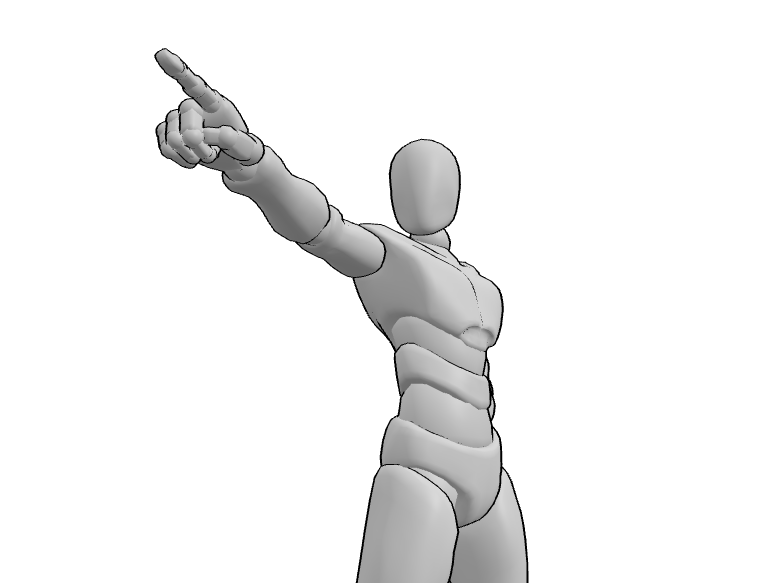
The Fix: In PoseMyArt, I set up the pose and then rotate the camera in real-time to see exactly how the limbs “squash” and “stretch” due to perspective.
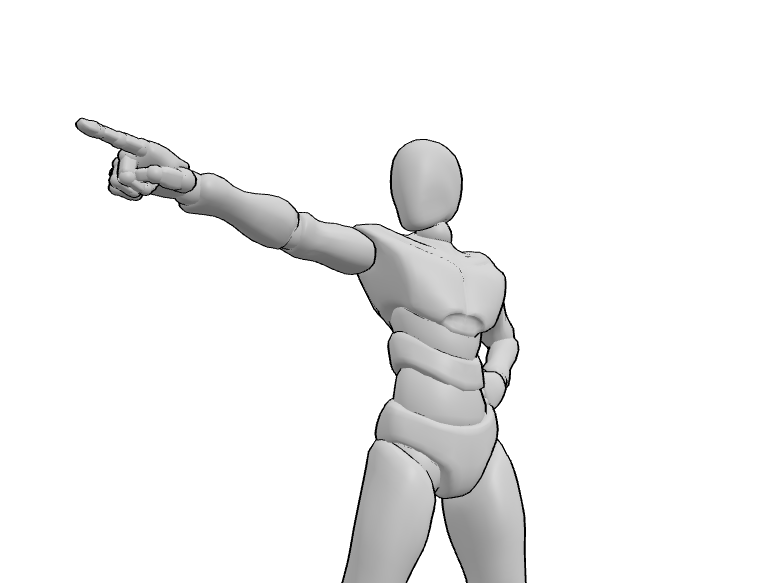
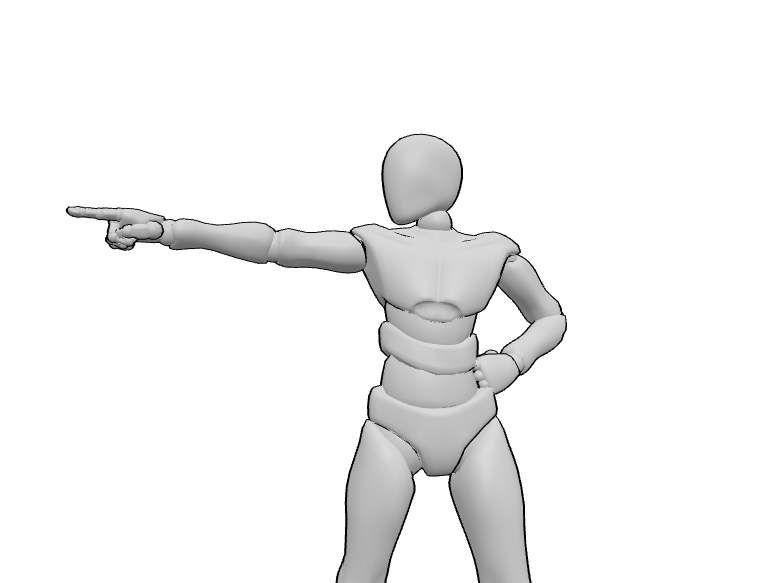
My Personal Tip: Don’t be afraid to rotate the camera 360 degrees around your pose. Seeing the “side profile” of a foreshortened arm helps your brain understand the actual distance between the shoulder and the hand, making it much easier to draw the front view accurately.
2. The “Head-Length” Rule That Finally Clicks
Every art book tells you the same thing: an average adult is about 7.5 heads tall. But try keeping track of that during an action-packed jumping or crouching pose! My characters used to “grow” or “shrink” halfway through a drawing.
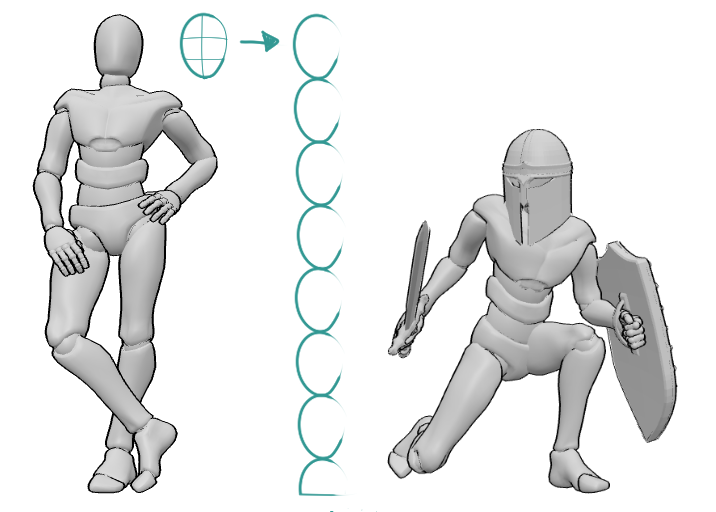
The Fix: In the app, the model proportions are fixed, but movement and limb positioning are fully customizable. Whether I’m drawing a realistic human, a heroic comic book figure, or a stylized, lanky anime character, the proportions stay consistent no matter how twisted the pose gets. This gives me a rock-solid foundation, knowing the legs didn’t suddenly grow longer while I was focusing on the torso.
3. Using Light to Define Anatomical Boundaries
Many times, I thought I’d messed up my proportions, but it was actually just my shading. If your shadows don’t follow the actual physical curves of the muscles, the body looks “flat” or “melted,” which makes the anatomy look wrong even if the lines are right.
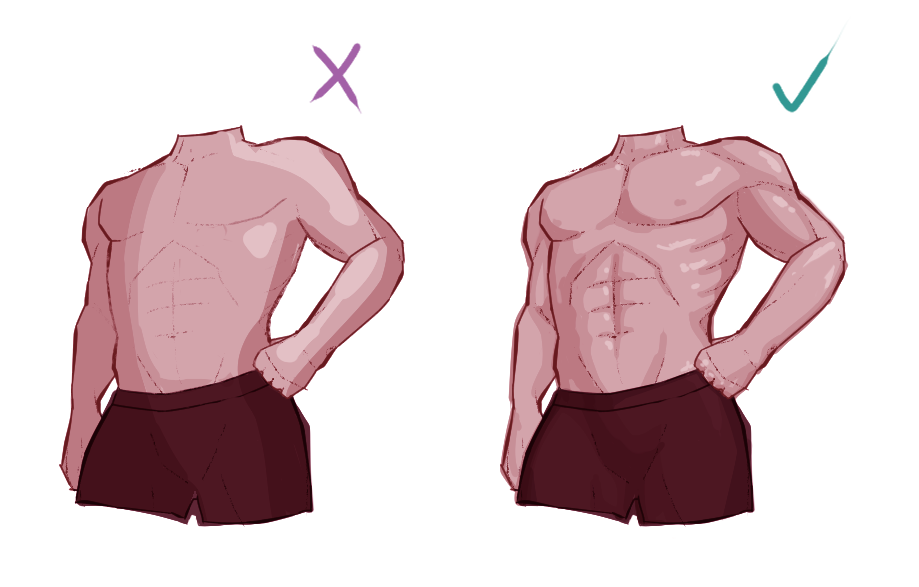
The Fix: I use the lighting tool in PoseMyArt to move the light source until it perfectly catches the ridge of the collarbone, the curve of the ribcage, or the peak of the deltoid. This reveals the “topography” of the body. It helps me define exactly where one body part ends and another begins, giving my drawing real physical mass.
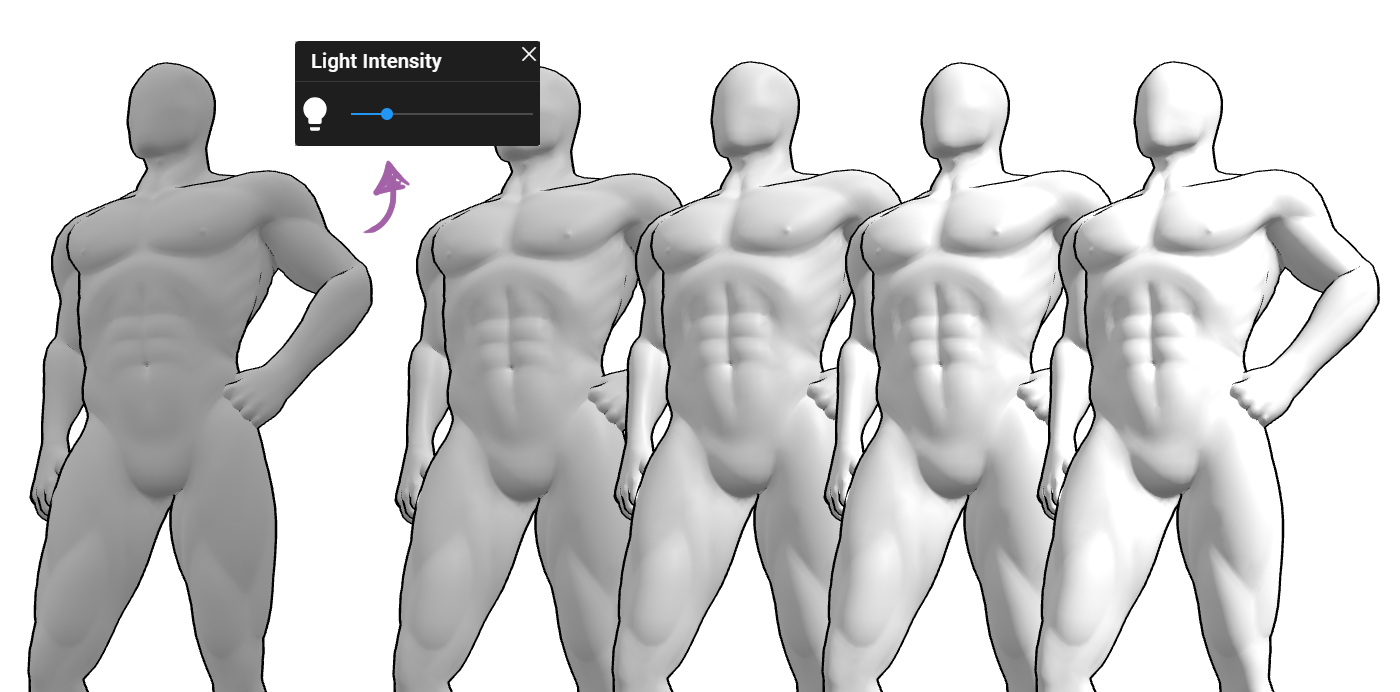
Set the Light First Start by adjusting the light source in PoseMyArt before thinking about shadows. Move and adjust the light until it clearly hits key anatomical landmarks like the collarbone, ribcage, or shoulder. This establishes the main form and makes the body’s structure readable.
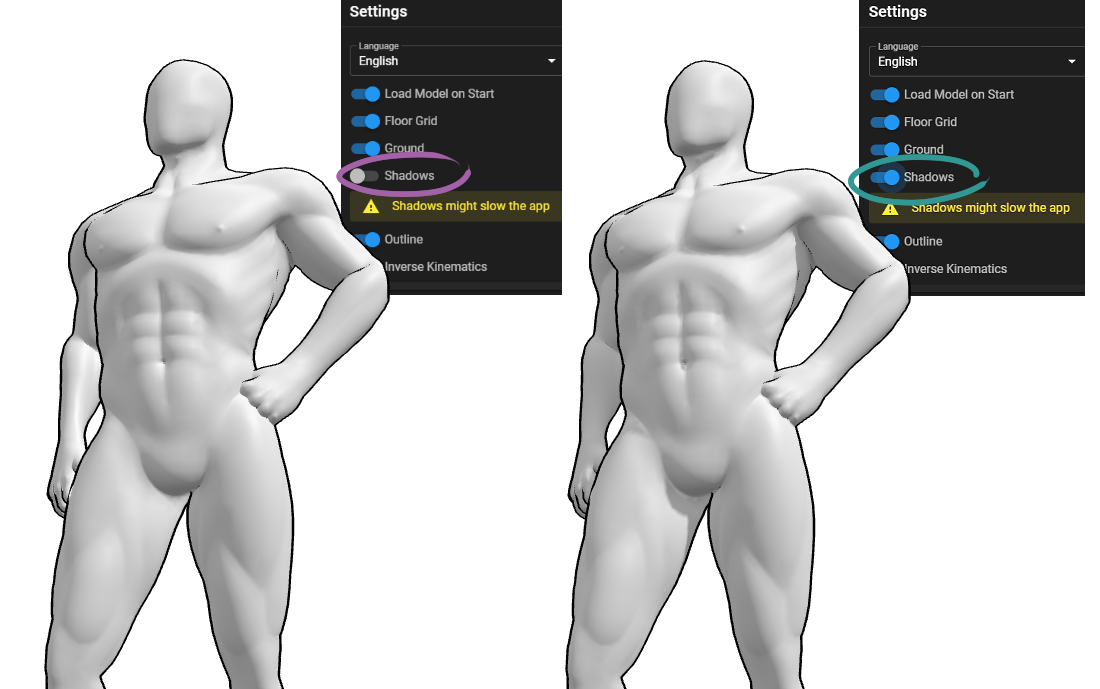
Turn On the Shadows Once the lighting is in place, enable the shadow. Now the anatomy instantly gains depth and separation. Shadows should support the light, not fight it - this is what gives the figure real physical weight.
4. The Power of Clear Silhouettes
One of the biggest mistakes I made early on was focusing so much on the internal details of a muscle that I forgot to look at the overall shape. If your character’s silhouette is a messy, indistinguishable blob, the proportions will always feel “off,” no matter how much you shade them.
The Fix: When I’m posing a model in PoseMyArt, I often look at the character from a distance to see if the action is clear just by its outline. 3D references allow you to tweak the angle of a torso or the extension of a limb until the negative space (the gaps between the arms and the body) creates a readable, iconic shape.
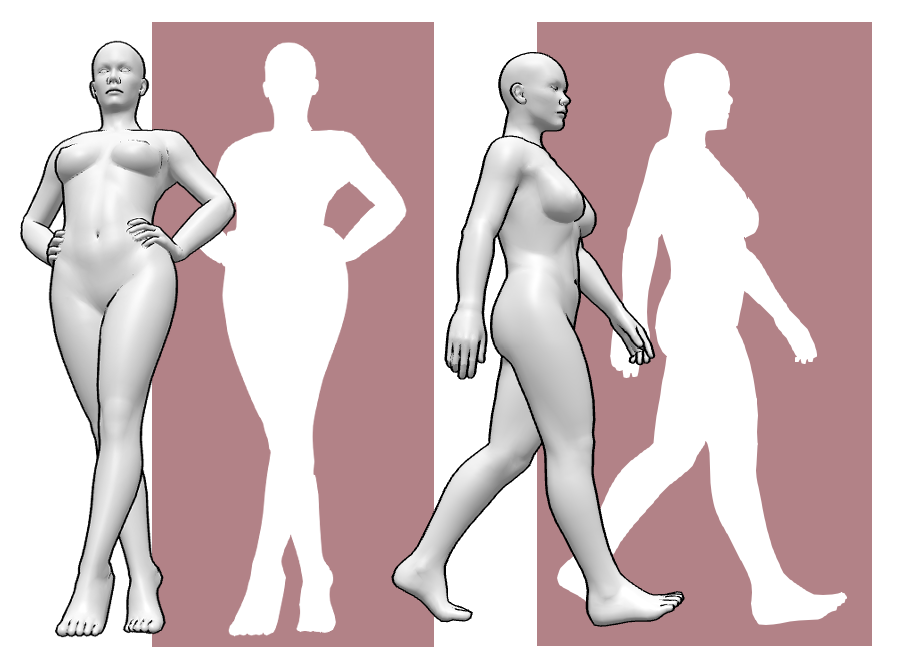
Pro Tip: Try rotating the model just 5-10 degrees. Sometimes a small shift in the camera is all it takes to turn a confusing, foreshortened mess into a powerful, dynamic silhouette.
5. Understanding Weight and Gravity
One of the most subtle ways proportions get ruined is when a character doesn’t feel like they are actually “standing” on the ground. I used to draw legs that looked the right length, but the character still looked like they were floating or about to tip over. This happens because our proportions change slightly based on where our center of gravity is.
The Fix: PoseMyArt allows you to see how the weight shifts between the legs. By adjusting the hips and the lean of the torso, you can ensure that the “line of action” keeps the character balanced.
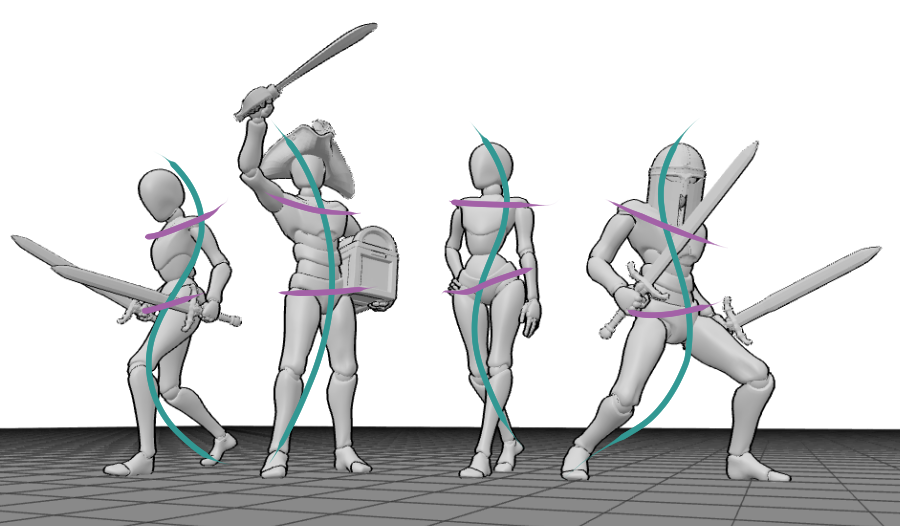
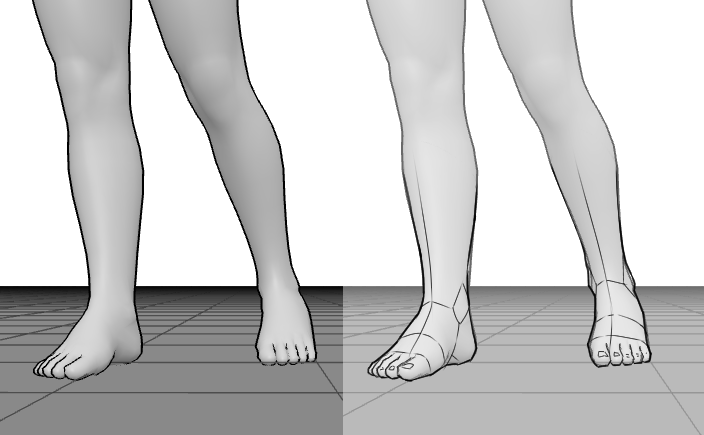
Pro Tip: Look at the feet. In the app, you can see exactly how the feet plant on the ground plane. If the ankles aren’t aligned with the center of gravity, the whole anatomy will feel “unstable,” no matter how well-drawn the muscles are.
Stop Guessing, Start Creating
I learned the hard way that you don’t need to spend a decade memorizing the Latin name of every single bone to produce professional-looking work. You just need the right tools to help you see clearly. Using 3D references bridges the gap between what you think you see and what is actually there.
For me, PoseMyArt has become like a silent partner in the studio. It takes the “math” and the “stress” out of the initial sketch. It helps me lay down a stable foundation so I can spend my energy on the parts I actually love: the character’s personality, the intricate clothing designs, and the story I’m trying to tell through my art.
Need an Instant Boost of Inspiration? Don’t waste your creative energy building a scene from scratch if you’re stuck for ideas. I often browse the Drawing Reference Collections to find thousands of pre-made poses that kickstart my drawing session in seconds!
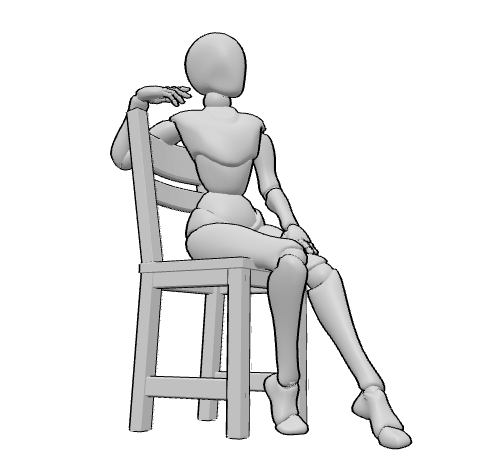
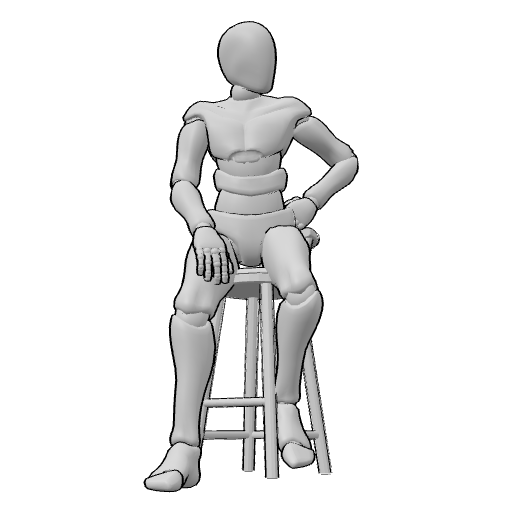
To help you dive right in, I’ve put together my favorite 4 drawing reference collections that I personally rely on for practicing proportions and often return to whenever I need a fresh spark of inspiration or a solid foundation for my sketches.
Female Model Pose References
 Male Sitting Poses
 Posture Drawing References
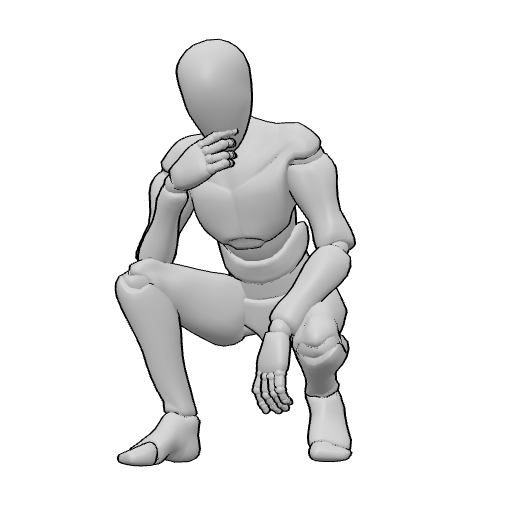 Couples Drawing References
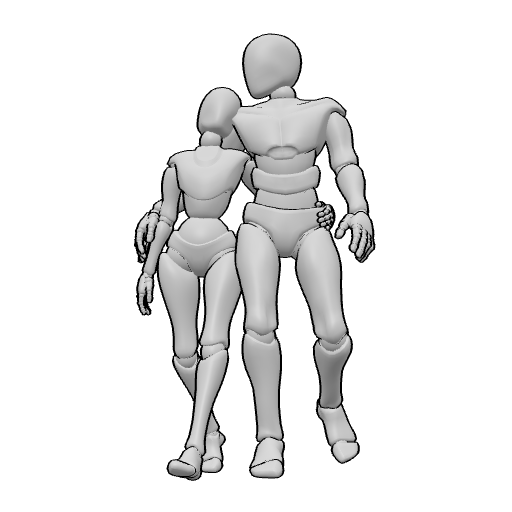
Final Thoughts:
Using 3D drawing references is a game-changer for improving your proportions and anatomy. By studying poses from every angle, you’ll build a stronger foundation, fix common mistakes, and gain the confidence to bring your characters to life with accuracy and fluidity. Make it a regular part of your practice, and you’ll see your drawings transform faster than you expect.